

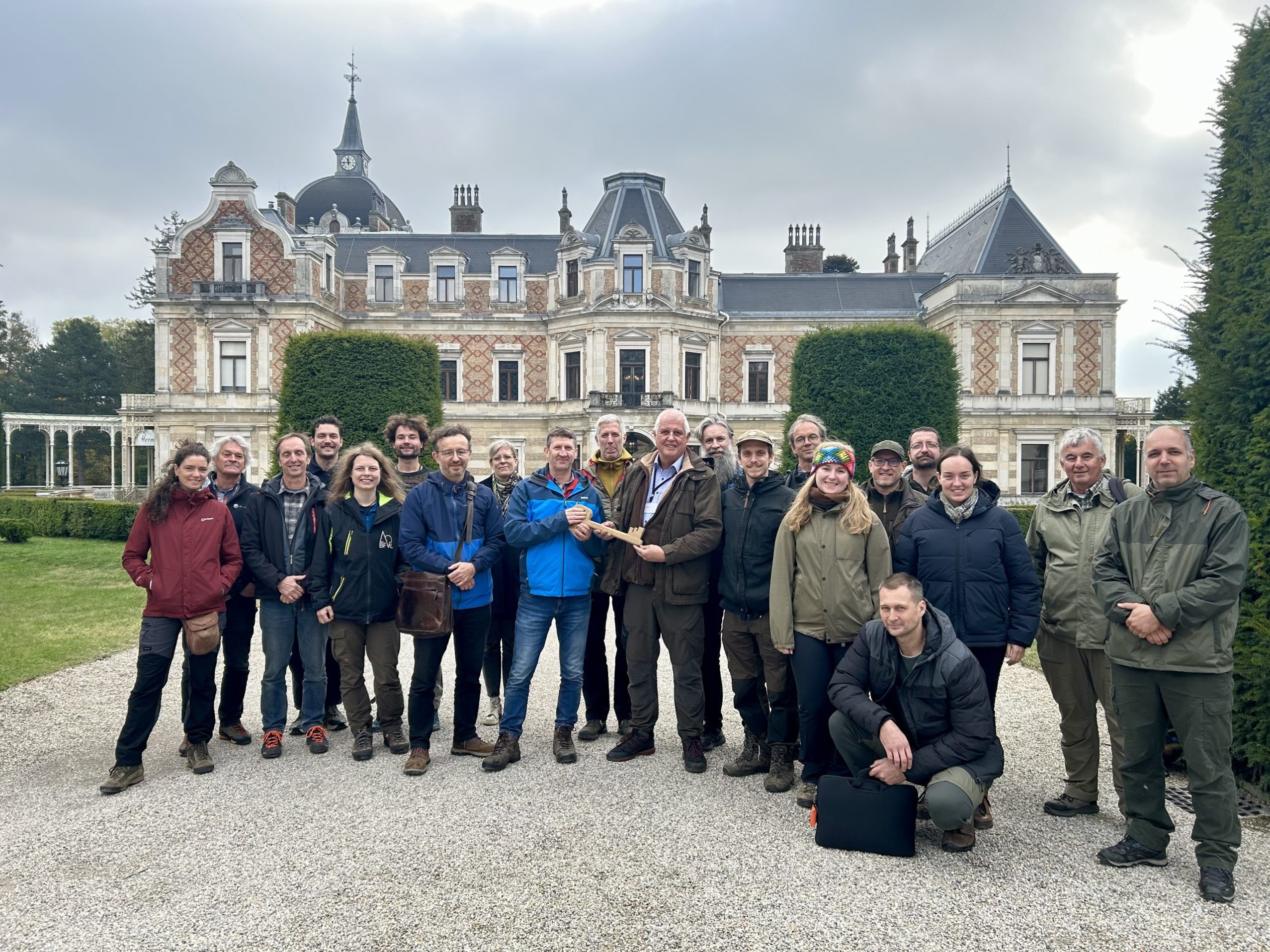
“It’s the exchange of experience in many different ways – to learn from each other, and even to build friendships,” reflects Johannes Shima, Deputy Director General of the Forest Section at Austria’s Ministry for Agriculture.
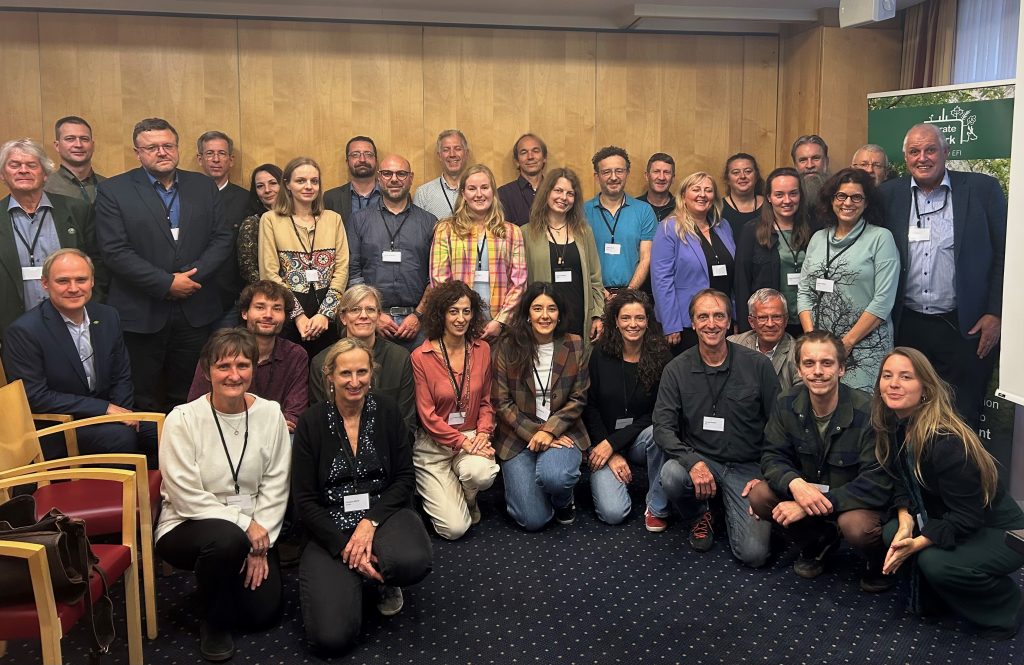
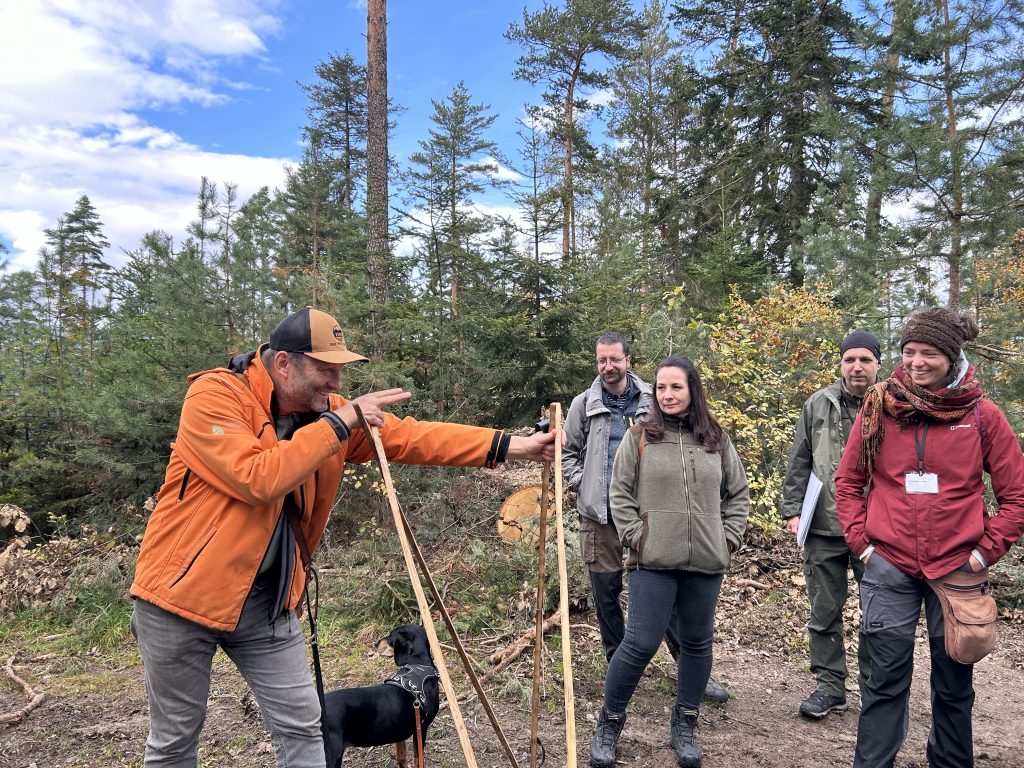
That is the promise of the Integrate Network: a place where forests become the classroom and countries learn together. It’s where policymakers, researchers and practitioners step out from behind desks, walk the same ground, and discover how integrative forest management (IFM) makes biodiversity and production work with each other.
Some members say Integrate first and foremost is a community: a network built on cooperation and dialogue. “Sharing the same philosophy” is how Tomáš Krejzar from the Ministry of Agriculture of the Czech Republic puts it – and that spirit of connection is what makes the network endure.
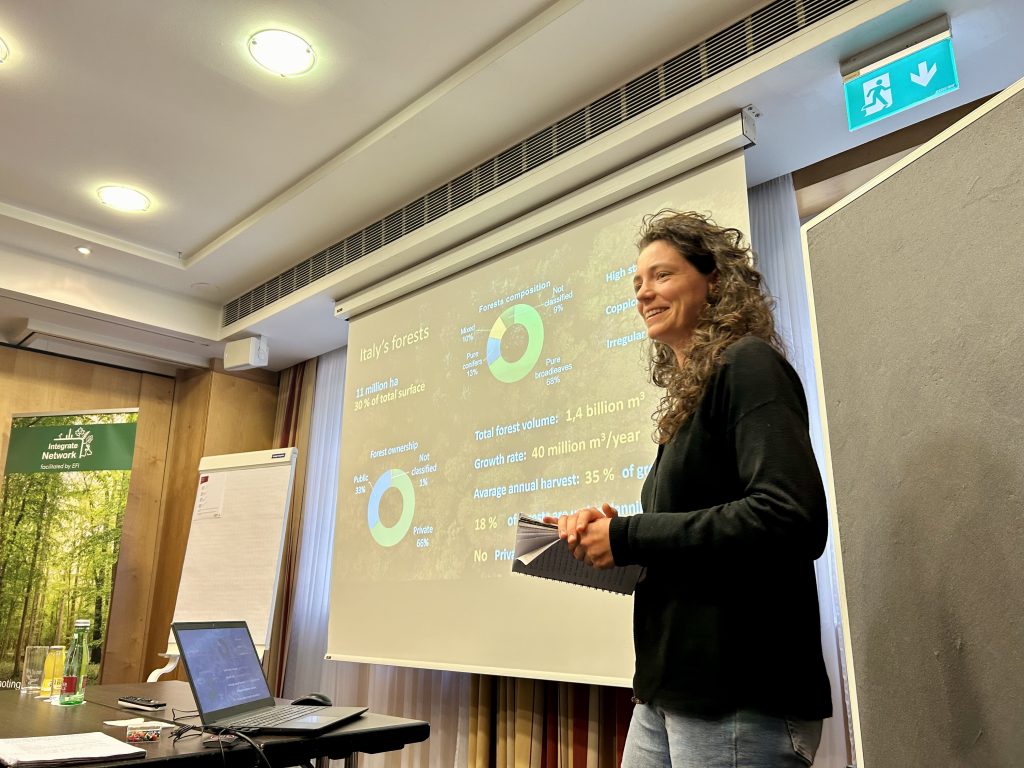
For Ireland, which currently holds the Chairmanship, the network is a guide in uncharted territory. With relatively young forests and little tradition of weaving biodiversity into forest management, it provides access to other countries’ experiences and the latest research to feed into strategies at home, as Dermot Dunphy from the Department of Agriculture, Food and the Marine mentions. Jonathan Spazzi (Teagasc’s Forest Development Department) adds that its real potential lies in being a European meeting point where practice, research, and policy come together.
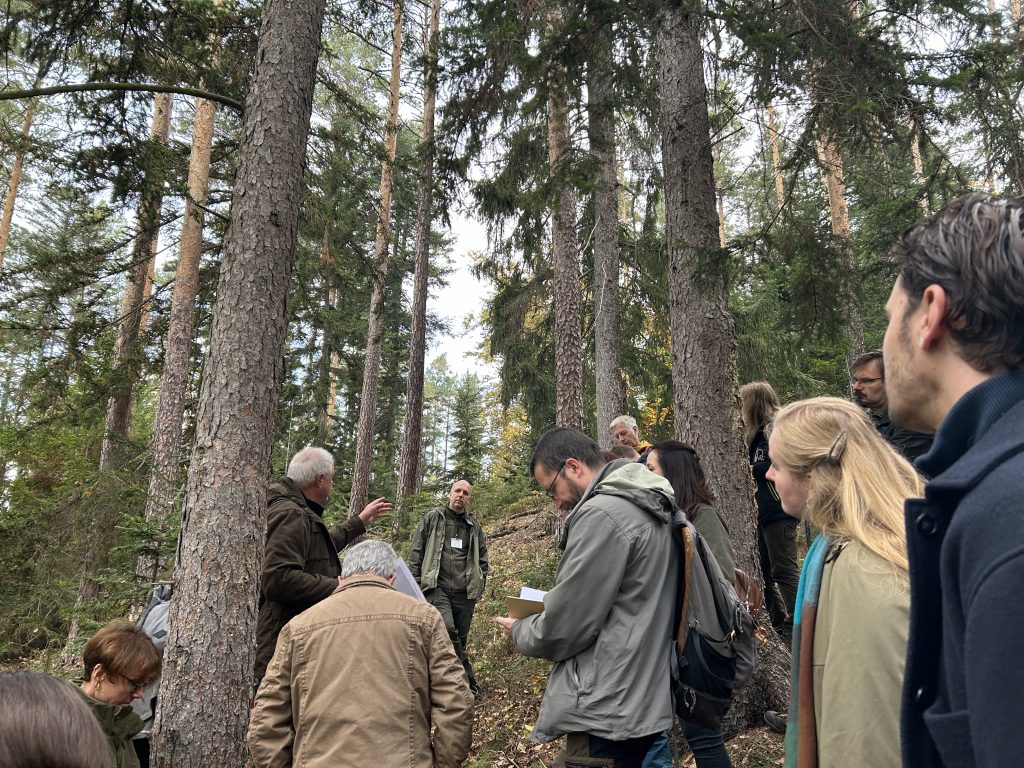
Looking ahead, Hungary – set to take over the Chairmanship in 2026 – highlights another side of the Network’s hands-on value. As Gergely Zagyvai of Sopron University explains, the network brings different interests – from nature conservation to wildfire management – to the same table and works them into approaches that can be applied on the ground.
For smaller countries, the network opens a wider horizon. “We are all facing two major global crises – climate and biodiversity,” says Michel Leytem from the Nature and Forest Administration in Luxembourg. And in his view, seeing how others respond is not just inspiring but essential: “That’s very important, especially for smaller countries where the surface area is very limited.”
Switzerland echoes this point. Robert Jenni from the Federal Office for the Environment in Bern highlights that “we all have the same goals, but we work in different contexts” – and it is exactly this diversity that makes exchange so valuable.
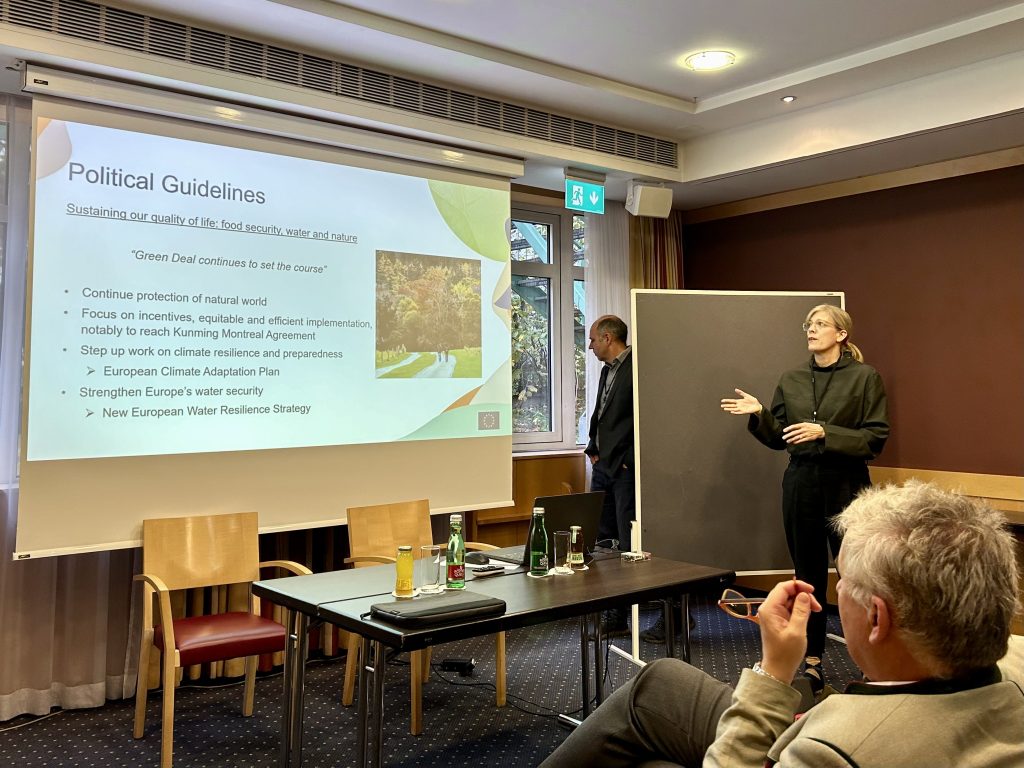
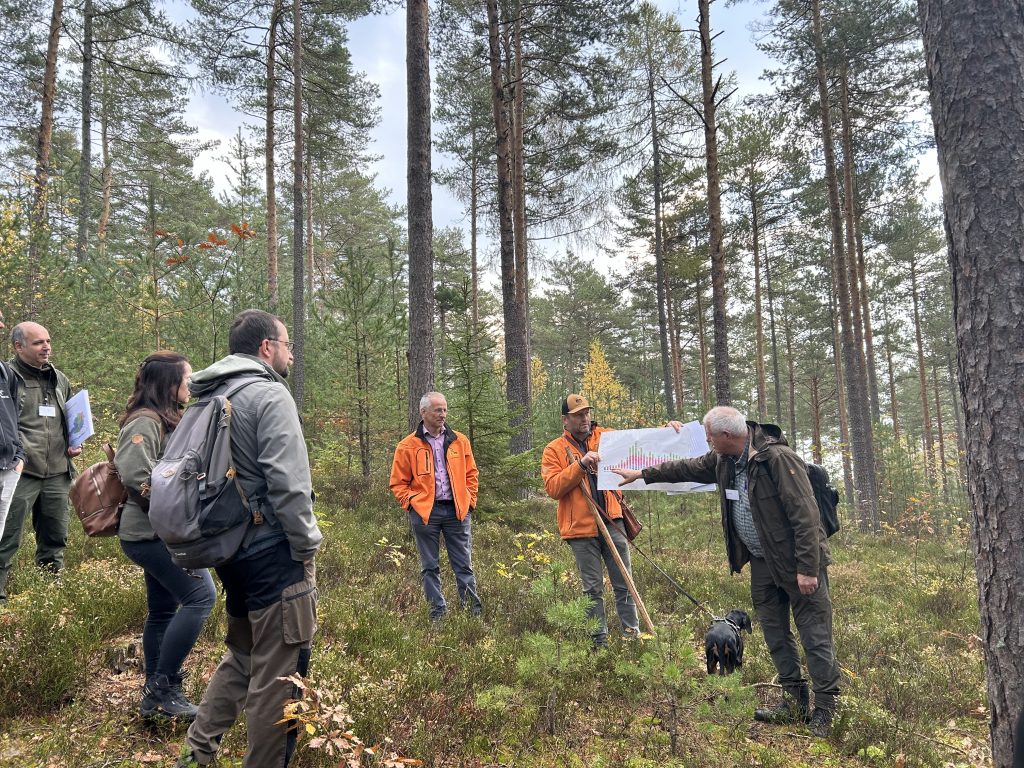
Looking ahead, Germany voices a hope for growth. Steven Dörr from the Federal Ministry of Agriculture, Food and Regional Identity underlines the potential:
“We can create an impact at the European and maybe even international level, to showcase in a mostly practical manner the benefits of integrative forest management.”
For the European Commission, the view aligns. As Stefanie Schmidt, Policy Officer for Forests in the Directorate General for Environment notes, the Integrate Network shows how biodiversity-friendly practices become real on the ground – and why showcasing good examples matters so much for forest owners and practitioners.
The next step, from this perspective, is to strengthen training for foresters and managers. Just as important is spreading good practice more widely – because this transition is key to resilient forests that can meet society’s needs, even in a changing climate.